Why More Patients Are Choosing Dental Implants in Calabasas CA
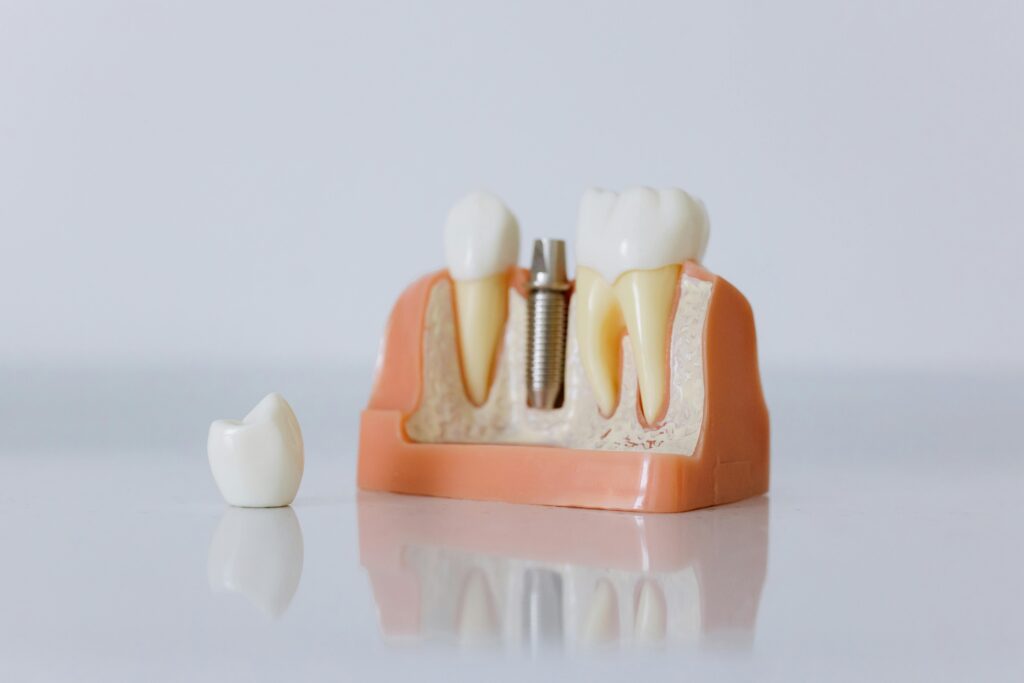
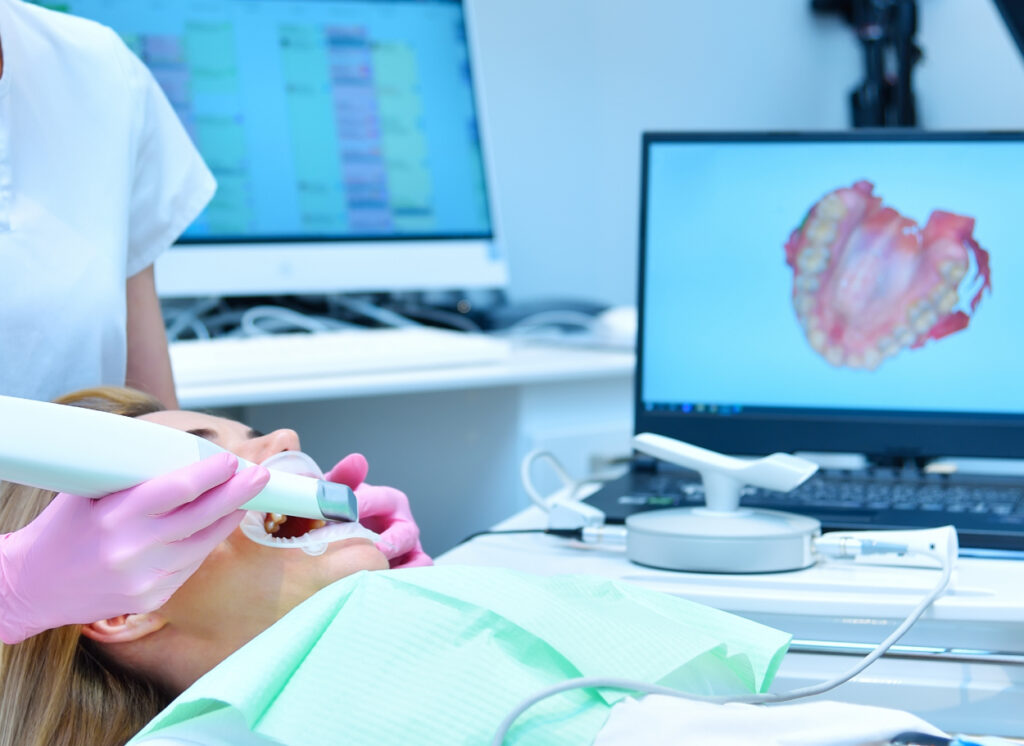
A missing tooth changes more than a smile. It affects how a person chews, how clearly they speak, and often how comfortable they feel in social settings. In practice, those changes rarely stay isolated to one area of life. Patients who come in after losing a molar often talk first about food. They have stopped chewing on one side. They avoid steak, nuts, apples, or crusty bread. Patients missing a front tooth usually mention confidence before anything else. They smile less, angle their face away in photos, or cover their mouth when they laugh. Over time, what began as a dental problem starts to feel like a daily compromise.
That is one reason more people are asking about implants. Another is simple: patients are better informed than they were a decade ago. They have friends, family members, and coworkers who have had implant treatment. They have seen how natural a well-planned implant can look. They know that a removable option is not the only path forward. In a community like Calabasas, where patients tend to be proactive about long-term health and appearance, that awareness has grown quickly.
The phrase Dental Implants Calabasas CA comes up often in online searches, but what sits behind that search is usually a very personal decision. People want a replacement that feels stable, looks believable, and protects their oral health instead of creating a new set of problems.
What makes implants different from older tooth replacement options
Traditional bridges and dentures still have a place. They solve real problems, and in some cases they are the right recommendation. But implants offer something those options cannot fully replicate. They replace the missing tooth at the root level.
That matters because the body responds to tooth loss in ways that are not always visible right away. When a tooth root is gone, the jawbone in that area no longer gets the same stimulation during chewing. The bone can begin to shrink over time. Adjacent teeth may drift slightly. The bite can change. If enough teeth are missing, facial support may soften, especially around the cheeks and lips. Patients often notice the cosmetic change later than the structural change, but both are connected.
An implant is placed in the bone and functions as an anchor for a crown, bridge, or denture. In the best cases, it restores both appearance and function with remarkable stability. Patients do not have to remove it at night. They do not rely on neighboring teeth for support in the same way a conventional bridge does. They also do not contend with the movement, adhesive, or pressure points that can come with some removable appliances.
For many adults, that combination is persuasive. They do not want a temporary feeling solution for a permanent problem.
Why Calabasas patients are especially drawn to implants
Every community has its own treatment patterns. In Calabasas, several factors tend to push implant dentistry to the front of the conversation.
First, patients here often take a preventive view of healthcare. They are not only trying to fix what hurts today. They want to know what choice will serve them well five, ten, or twenty years from now. When they hear that replacing a tooth root may help preserve bone and maintain bite stability, that tends to resonate.
Second, aesthetic standards are high. That does not mean vanity in the shallow sense. It means people are attentive to how dental work blends with natural teeth. They notice gum contours, tooth shape, translucency, and symmetry. A carefully restored implant can be exceptionally natural looking. When the planning is sound and the final crown is matched well, it often disappears into the smile.
Third, many patients in Calabasas have busy schedules and want predictability. They travel for work, manage family obligations, or spend long days in public-facing roles. A restoration that feels secure and does not require removal is attractive for practical reasons. People do not want to think about their teeth in the middle of a meeting, at a restaurant, or while speaking on camera.
Finally, there has been a clear cultural shift. Years ago, patients often assumed dentures were the default after significant tooth loss. Now even older adults ask whether implants can support a more stable full-arch solution. Adult children frequently accompany parents to consultations and ask informed questions about fixed implant options because they have seen others go through that treatment with good results.
The confidence factor is real
Dentists sometimes focus on mechanics because mechanics are measurable. We can show bone levels on an X-ray. We can evaluate occlusion, spacing, and implant position. What gets less attention, though it matters deeply, is the psychological burden of a missing tooth or unstable prosthetic.
Patients rarely phrase it in clinical language. They say things like, “I can finally eat without thinking about it,” or “I don’t keep checking my smile in the mirror anymore.” One patient may have spent years hiding a missing premolar that only showed when she laughed broadly. Another may have been wearing a partial denture that clicked slightly during meals. These are not dramatic stories on paper, but in daily life they are exhausting.
When implant treatment goes well, patients often describe a quiet kind of relief. The replacement tooth becomes part of the background. That is the goal. Dentistry is at its best when it restores normalcy so thoroughly that the patient stops organizing behavior around a dental problem.
Better planning has made treatment more appealing
Implants are not new, but the way they are planned today is more refined than it used to be. Three-dimensional imaging has improved diagnosis. Surgical guides can increase precision. Restorative materials have become more lifelike and durable. The result is not that implants are easy in every case, but that the process is more thoughtful and more tailored than many patients expect.
This matters because implant success is not just about placing a titanium fixture in bone. The final result depends on anatomy, gum health, bite forces, esthetics, and timing. A person with a thick, healthy gum biotype and good bone volume presents a different set of opportunities than someone with years of bone loss, gum recession, or tooth grinding. Strong planning helps clinicians identify these issues before treatment, not after.
Patients sense that difference. They can tell when a consultation is individualized rather than scripted. A good implant consultation usually includes a careful review of medical history, existing dental conditions, X-rays or 3D scans when appropriate, and an honest discussion of what is possible, what is optional, and what may require staging.
That level of precision has made more patients comfortable moving forward.
The cost question, and why many still say yes
Cost remains one of the biggest reasons patients hesitate. Implants are usually more expensive upfront than a removable partial denture or a traditional bridge. There is no way around that. Surgical placement, possible grafting, custom abutments in some cases, and high-quality restorations all add to the fee.
Yet many patients still choose implants after comparing the long-term picture. A bridge may require preparation of adjacent healthy teeth. A removable appliance may need relines, adjustments, replacement, or patient adaptation that never fully settles. Dentures can loosen as bone changes over time. An implant is not maintenance-free, but it often delivers a level of stability and longevity that patients value enough to justify the investment.
That does not mean implants are always cheaper in the long run. Dentistry rarely works in absolutes. A perfectly maintained bridge can serve well for years. A neglected implant can fail. But when patients understand the trade-offs clearly, many decide they would rather spend more once on a durable, fixed solution than continue managing compromise after compromise.
In Calabasas, where patients often weigh healthcare decisions through both a functional and lifestyle lens, that math can lean strongly toward implants.
Why implants often feel more natural in daily life
A common moment in consultations is when a patient asks, “Will it feel like my real tooth?” The most honest answer is that nothing is identical to the original anatomy. An implant does not have the same periodontal ligament a natural tooth has, so the sensation is somewhat different. But from a practical standpoint, many patients report that an implant-supported crown feels more natural than they expected.
Chewing efficiency tends to be stronger than with a loose removable option. Speech usually normalizes quickly once the restoration is in place. There is no acrylic plate covering part of the palate in single-tooth cases, and no clasps hugging adjacent teeth as with some partial dentures. Those details matter. They shape whether treatment feels like an appliance the patient has to manage, or simply a tooth replacement that lets them move on.
That distinction explains a lot about patient preference. People are not only choosing a procedure. They are choosing how much mental energy they want to devote to the absence of a tooth.
Who tends to be a good candidate
Not every patient is automatically a candidate for implant treatment, but candidacy is broader than many assume. Age alone is rarely the deciding factor. I have seen healthy patients in their seventies and eighties do very well with implants, while younger patients with untreated gum disease or heavy smoking habits may need significant preparation before moving ahead.
A strong candidate usually has some combination of the following:
- Healthy gums, or a willingness to complete periodontal treatment first
- Adequate bone volume, or anatomy suitable for grafting if needed
- Good home care habits and commitment to maintenance visits
- Medical conditions that are reasonably well controlled
There are also gray areas. Patients with diabetes may still be candidates if their condition is controlled. Patients who clench or grind can still succeed with implants, though they may need a night guard and careful bite design. Smokers face Dental Implants Calabasas CA higher risk, especially around healing and long-term tissue health, but smoking is not handled as a simplistic yes-or-no issue in every case. Judgment matters.
The role of bone grafting, and why it should not scare people off
One of the most common reasons patients assume they cannot have implants is that they were told they have bone loss. Sometimes that concern is valid. Sometimes it needs more nuance. Bone loss exists on a spectrum, and treatment planning depends on where the deficiency is, how severe it is, and what the final restoration needs to achieve.
Bone grafting sounds intimidating, but it is a routine part of implant dentistry in many practices. After tooth extraction, a socket graft may be used to preserve ridge shape. In other cases, a ridge augmentation may rebuild an area that has narrowed over time. Healing extends the timeline, but it can turn an otherwise poor site into a predictable one.
Patients often worry that grafting means something has gone wrong. Not necessarily. It often means the clinician is trying to create the conditions for a more stable, aesthetic result instead of forcing an implant into a compromised site. In visible areas, especially upper front teeth, rushing can produce gum recession, dark spaces, or unnatural contours that are difficult to disguise later.
Good implant treatment is often slower than patients hope and better than they expected.
Full-arch treatment has changed the conversation for missing multiple teeth
Single-tooth implants get a lot of attention, but one of the biggest shifts has happened among patients missing many teeth, or facing removal of failing teeth. In years past, those patients often assumed conventional dentures were the only realistic option. Today, many ask about implant-retained or implant-supported full-arch restorations.
This is a significant quality-of-life issue. Conventional dentures can restore appearance, but lower dentures in particular may become frustrating as bone resorbs. Movement during eating, soreness, and limited biting force are common complaints. Even two well-placed implants to stabilize a lower denture can make a dramatic difference. A fixed full-arch prosthesis changes the experience even more, though it comes with greater cost, more planning, and specific hygiene demands.
Patients choosing these treatments are often not chasing perfection. They are seeking freedom from instability. They want to order food without scanning the menu for the softest option. They want to speak confidently. They want to stop living around a denture.
Maintenance matters more than marketing
One misconception worth correcting is that implants are permanent in the casual sense, as if they need little attention once placed. Implant restorations can last many years, but they are still part of a living mouth. The surrounding gums and bone need care. Plaque accumulation around implants can lead to inflammation and bone loss. A poorly adjusted bite can create mechanical stress. Screws can loosen. Crowns can chip. None of this means implants are unreliable. It means they are dentistry, not magic.
Patients who do best long term usually understand this from the beginning. They attend maintenance visits. They use the hygiene tools recommended for their particular restoration. They mention if food starts trapping around a crown or if something feels slightly off when they chew. Small interventions early can prevent larger problems later.
This practical mindset is another reason implants are popular among informed patients. When people know what they are agreeing to, they tend to be more satisfied with the outcome.
Why the provider’s judgment matters so much
Search behavior often starts broadly with phrases like Dental Implants Calabasas CA, but treatment success depends less on the search term than on the quality of diagnosis and execution behind it.
Implants can fail for many reasons, and some failures are preventable. Poor case selection, untreated gum disease, inadequate bone management, incorrect angulation, overloaded restorations, and unrealistic timelines all create avoidable risk. On the other hand, a careful clinician knows when to delay, when to graft, when to refer, and when a non-implant solution may actually be better for the patient.
That last point deserves emphasis. Ethical implant dentistry includes saying no. If a patient has uncontrolled periodontal disease, severe hygiene limitations, or medical risks that make surgery unwise, the right recommendation may not be an implant that day. Patients often trust providers more, not less, when they see that level of restraint.
When evaluating treatment, patients are wise to ask practical questions, including:
- What does the bone and gum condition look like in my specific case?
- Will I need grafting or staged treatment, and why?
- What are the realistic timelines for healing and final restoration?
- How will this be maintained over the next several years?
- If an implant is not ideal for me, what is the best alternative?
Those questions tend to reveal whether the conversation is centered on the patient or the procedure.
Why the trend is likely to continue
The rise in implant demand is not a fad. It reflects a broader change in how patients think about oral health. People increasingly see teeth as integral to nutrition, facial structure, self-presentation, and long-term wellness. They are less willing to Dental Implants Calabasas CA accept a replacement that merely fills a space. They want function, comfort, and durability.
At the same time, more dentists are identifying failing teeth earlier and discussing replacement options before years of deterioration complicate the picture. Patients are learning that timely action after an extraction can preserve bone and simplify future treatment. They are also hearing first-hand reports from others who have had positive experiences. Few forms of patient education are more powerful than someone saying, “I should have done this sooner.”
For Calabasas patients, that message lands in a community that values both health outcomes and quality of life. When a treatment can help preserve bone, restore chewing, support facial aesthetics, and reduce self-consciousness, it is not hard to understand why interest keeps growing.
Dental implants are not right for every mouth, every budget, or every timeline. But for many patients, they solve the problem in the place where the problem actually begins. That root-level solution is the key reason so many people are choosing them, and why that number continues to rise.
Oaks Dental
5000 Parkway Calabasas, Suite 308
Calabasas, CA 91302, United States
Phone: +1 (818) 412-8349
FAQ About Dental Implants Calabasas CA
How much does a dental implant cost in California?
Costs vary with the number of teeth replaced, restoration type, imaging, and any extractions or bone grafting. Request an itemized estimate after an examination; a single advertised price may not include every treatment stage.
Can people with autoimmune disease get dental implants?
Some people may qualify, but the condition, medications, oral health, and healing risks require individual assessment. Share your medical history with your dentist, who may coordinate with your treating physician.
Can you have dental implants if you have osteopenia?
Osteopenia does not by itself establish whether implants are suitable. Your dentist must evaluate jawbone support and review bone-related medications and other risks before recommending treatment.