Top Reasons to Choose Dental Implants in Calabasas CA
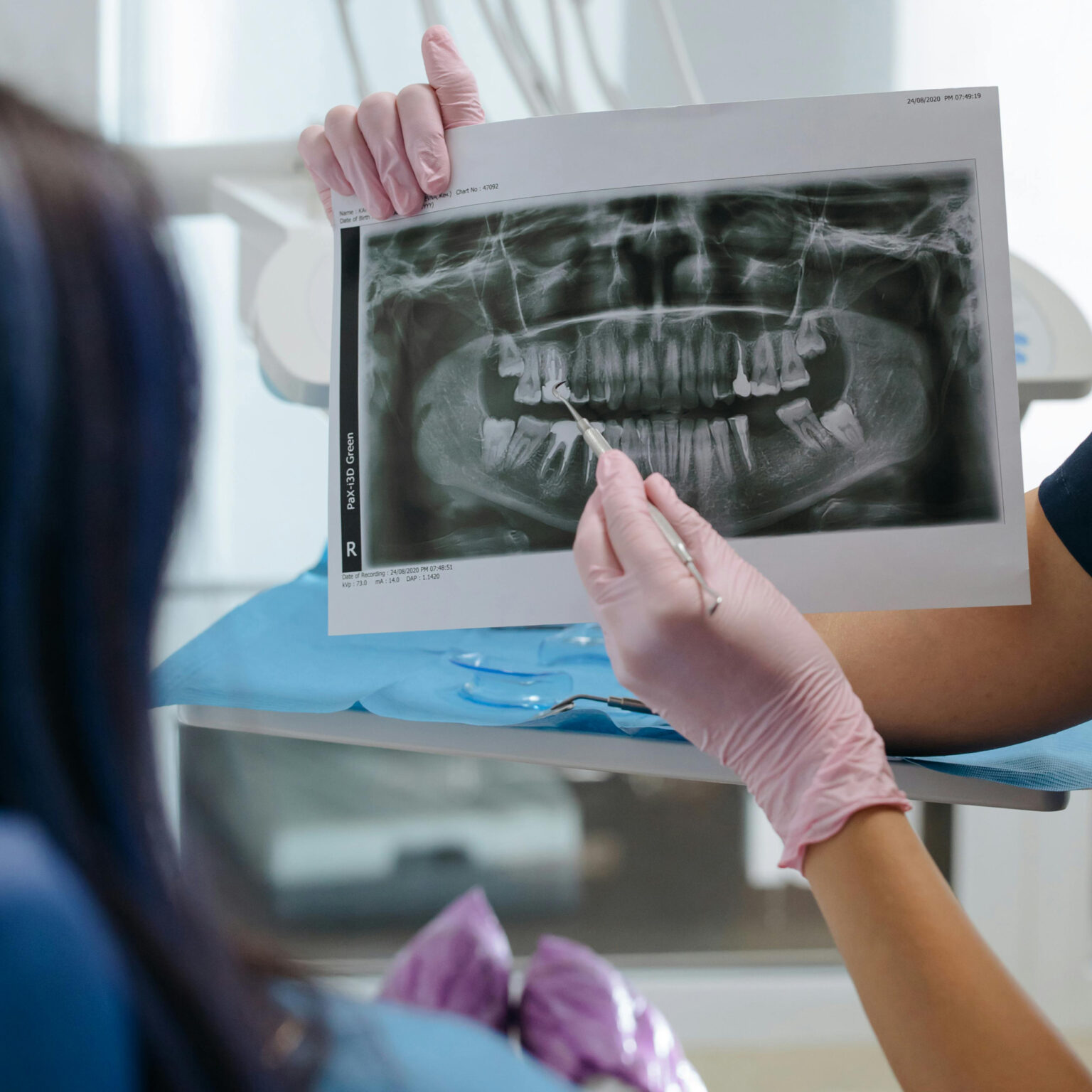
A missing tooth changes more than a smile. It changes the way food feels, the way words land, and often the way a person carries themselves in a room. Over time, it can also change the bite, the jawbone, and the health of neighboring teeth. That is why so many patients who initially think of a missing tooth as a cosmetic issue end up learning it is also a functional one.
For people weighing their options in Southern California, dental implants stand out for one simple reason: they solve several problems at once. They restore appearance, help preserve bone, support normal chewing, and can last for many years when planned and maintained well. Patients looking into Dental Implants Calabasas CA are often trying to decide whether implants are worth the investment compared with a bridge or a removable denture. In many cases, they are.
Calabasas patients also tend to have a particular set of priorities. They want a result that looks natural in close conversation, feels stable at dinner, and fits a busy schedule. They are not just asking, “Can you replace this tooth?” They are asking, “Will it feel like mine? Will it age well? Will it hold up?” Those are the right questions.
Why implants are different from other tooth replacement options
A dental implant replaces the root of a missing tooth, not just the visible crown. That difference matters. A traditional bridge relies on neighboring teeth for support, which means healthy enamel may need to be reduced. A removable partial denture can fill a gap, but it sits on top of the gums and usually moves at least a little during eating or speaking. An implant is placed in the jawbone, where it integrates with the bone and acts as an anchor.
That anchoring effect changes the entire experience. Patients often describe the difference in plain language: a bridge can look good, a denture can fill space, but an implant feels secure. Security matters more than people realize until they have lost it. Even a small shift in the mouth can make a person self-conscious. It can also make them avoid certain foods, chew on one side, or smile less openly.
The best treatment is never one-size-fits-all. There are cases where a bridge makes sense and cases where a removable option is the practical answer. But if the goal is to replace a missing tooth in the most biologically complete way available, implants usually deserve serious consideration.
The strongest reason, bone preservation
One of the least understood consequences of tooth loss is bone loss. Teeth stimulate the jawbone through everyday chewing forces. When a tooth is removed and not replaced with a root-like structure, the bone in that area begins to resorb. This process can be slow, but it is real. Over the years, it can change facial support and complicate future dental treatment.
An implant helps maintain that stimulation. It does not stop every change forever, but it is the closest modern dentistry comes to replacing both the visible tooth and the root beneath it. In practical terms, this can help preserve the contour of the ridge and support a more natural appearance over time.
This matters even more in areas where aesthetics are critical. A front tooth missing for too long can create tissue collapse that makes ideal cosmetic results harder to achieve later. In the back of the mouth, bone loss can affect how much room there is for future placement and whether grafting becomes necessary. Patients often wish someone had told them earlier that waiting has a biological cost. That is one reason dentists who place implants regularly tend to have direct, timely conversations about bone preservation.
Day-to-day comfort is a major advantage
Most patients do not judge their dental work by X-rays or technical explanations. They judge it by breakfast, lunch, and conversation. Can they bite into a sandwich without thinking about it? Can they chew steak or a crisp salad without favoring one side? Can they laugh without covering their mouth?
A well-planned implant restoration performs well in those ordinary moments. Because it is fixed in place, it avoids many of the friction points patients encounter with removable appliances. There is no need for adhesive, no routine of taking it out at night, and no worry about a clasp showing when they smile. For someone who has spent months or years adjusting to a gap, that return to normal can be surprisingly emotional.
There is also a speech component that should not be overlooked. Teeth help shape sounds, especially certain consonants. A gap, particularly in the front, can subtly alter pronunciation. Some people adapt quickly. Others become very aware of it in meetings, presentations, or social settings. Implants can restore that structure in a way that feels stable and predictable.
A natural look matters in Calabasas
Cosmetic expectations in Calabasas are high, but that does not mean patients want teeth that look artificial. Usually, they want the opposite. They want restorations that disappear into the smile. The best implant dentistry does exactly that. It does not draw attention to itself. It blends with the shape, shade, translucency, and gum contour of the surrounding teeth.
Achieving that result takes more than placing a titanium post and attaching a crown. It requires diagnostic planning, careful positioning, tissue management, and a restoration designed with the face in mind. The angle of the implant matters. The thickness of the tissue matters. Even the way light passes through the final crown matters, especially in the front of the mouth.
Experienced clinicians know that cosmetic implant work is often about restraint. Teeth that are too white, too flat, or too uniform rarely look believable. A natural smile has variation. It has proportion. It fits the patient’s age, lip line, and facial structure. In a place where people value polished but authentic results, that subtlety is one of the key reasons implants are so appealing.
They protect neighboring teeth
When one tooth is missing, the adjacent teeth often pay the price if nothing is done. They can drift into the open space. The opposing tooth may begin to over-erupt. Food traps become more common, and bite forces can shift in ways that stress other areas of the mouth.
A traditional bridge solves the gap, but it may require reshaping the teeth next to it. Sometimes those neighboring teeth already have large fillings or crowns, and using them for support is reasonable. Other times they are healthy, intact teeth, and reducing them is less ideal. Implants allow the dentist to restore the missing tooth without asking the adjacent teeth to carry the workload.
That is one of the most conservative aspects of implant treatment. It seems counterintuitive at first because surgery sounds more invasive than a bridge. Yet in terms of preserving neighboring teeth, implants can be the more conservative long-term choice.
Longevity changes the value equation
Implants usually cost more upfront than some alternatives. That part is easy to see. What is less obvious is the long-term math. A lower initial price does not always mean lower lifetime cost. Bridges and dentures can serve patients well, but they may require repairs, remakes, relines, or replacement at shorter intervals. An implant, when well placed and maintained, can provide many years of service.
No ethical dentist should promise permanence. Biology does not work that way. Gum health, bite force, clenching habits, systemic conditions, and home care all influence outcomes. But implants have a strong track record, especially in healthy patients who keep regular maintenance visits and address issues early.
For many adults in Calabasas, the question becomes less “What is cheapest today?” and more “What will serve me best over the next ten to twenty years?” That is where implants often make financial sense, even before quality-of-life benefits are considered.
The planning process is more precise than many patients expect
One reason implant treatment has improved so much is better planning. Cone beam imaging, digital scanning, guided surgery in selected cases, and improved restorative materials have made implant placement more accurate and more predictable than it was in earlier decades. Good outcomes begin long before the actual procedure.
The clinician needs to evaluate bone volume, gum condition, bite forces, spacing, smile line, and medical history. Sometimes the missing tooth is the easy part and the hidden challenges matter more. A patient may have enough room side to side but not enough vertical clearance. Another may have adequate bone, but heavy grinding at night that requires special design choices. Someone else may have been missing the tooth for years and need grafting to rebuild support.
That level of planning is part of the value. It is not just about inserting an implant. It is about placing it where the final tooth can function well, clean easily, and look right.
Recovery is often easier than patients fear
Many people imagine implant surgery as more difficult than it turns out to be. The reality depends on the case. A straightforward single implant can involve less post-operative discomfort than an extraction with infection. Some patients need little more than over-the-counter pain relief, a softer diet for several days, and time for the site to heal. More involved procedures, such as sinus lifts or larger grafts, naturally require more recovery.
The key is expectation setting. Patients do better when they understand the sequence. The implant may be placed at the time of extraction in some cases, while others benefit from a healing period first. The visible tooth may be delivered quickly in certain front-tooth situations, but the final restoration often waits until the implant integrates with bone. Good dentists explain not only what is possible, but what is wise.
A patient once described it well after replacing a lower molar: the hardest part was not the procedure, it was wishing she had done it sooner. That sentiment comes up often, especially from people who spent a long time compensating with one side of their mouth.
Dental Implants Calabasas CANot every patient is an immediate candidate, and that is part of good care
Professional judgment matters most when the answer is not an immediate yes. Some people have gum disease that should be stabilized first. Others smoke heavily, have uncontrolled diabetes, or show signs of clenching that raise risk. None of those factors automatically rule out implants in every case, but they do affect planning, healing, and prognosis.
A careful dentist does not treat an implant like a commodity. They look at the whole mouth and the whole patient. That includes habits, medications, past dental history, and expectations. Someone seeking a quick cosmetic fix may need a broader conversation about bite wear or periodontal maintenance. Someone else may be medically suitable but financially stretched and better served by phased treatment.
A thoughtful consultation often covers these points:
- Whether the bone and gum support are adequate now, or whether grafting is needed first.
- How the bite, clenching, or grinding habits could affect the design and longevity of the implant crown.
- What the treatment timeline looks like, including healing periods and temporary options.
- What the full cost includes, from imaging and surgery to restoration and maintenance.
- How home care and professional follow-up will protect the result.
Patients usually appreciate candor. The right provider will not oversell simplicity where complexity exists.
Local access and continuity of care matter
Choosing dental implants in Calabasas CA is not only about the procedure itself. It is also about where and with whom the treatment is managed. Implant cases often involve several phases: consultation, records, surgery, healing checks, restoration, and maintenance. Having that care coordinated locally can make the process much smoother.
Continuity matters when adjustments are needed. Bite changes can occur after the final crown is delivered. Temporary restorations sometimes need refinement. Tissue healing may need to be monitored more closely in aesthetic cases. Patients benefit when the team knows the history of the case, has the imaging on file, and can respond quickly if something feels off.
There is also a practical side. Calabasas patients often juggle demanding schedules, family obligations, travel, and public-facing work. Access to a consistent local team helps keep treatment on track. It also makes long-term maintenance easier, which is one of the most important factors in implant success.
Implants can support more than one missing tooth
A common misconception is that implants are only for single tooth replacement. In reality, they can support a range of restorations. Two implants can often support a bridge for multiple missing teeth. Full-arch solutions may help patients who have lost most or all teeth in one arch. In select cases, implant-retained overdentures offer more stability than conventional dentures without requiring a separate implant for every tooth.
That flexibility matters because tooth loss does not happen in neat textbook patterns. Some patients have one missing molar and healthy teeth everywhere else. Others have older dentistry failing in several areas at once. Some have worn dentures for years and are tired of movement, sore spots, and dietary limitations.
The treatment design should match the actual condition of the mouth, not a generic package. That is another reason patients are often happier when they choose an implant-focused evaluation rather than assuming all tooth replacement options are roughly equal.
The emotional benefit is real, even when patients downplay it
People often arrive at an implant consultation talking about function, which is understandable. It feels practical. Yet after treatment, many describe the emotional shift just as strongly. They stop thinking about the missing tooth. They stop guarding their smile in photographs. They stop planning meals around what is easiest to chew.
This is especially true when tooth loss happened suddenly, from trauma or a failed root canal, rather than gradual wear. The absence can feel personal in a way that is hard to explain until it is restored. Even back teeth, which no one sees, can affect confidence because the mouth no longer feels complete or balanced.
Dentistry is at its best when it respects both sides of the equation. A good implant is not only integrated in bone and polished to the right contour. It also gives the patient back a sense of ease.
Questions worth asking before moving forward
A consultation should leave the patient better informed, not more confused. If the discussion feels rushed or vague, it is reasonable to pause and ask more. Implant treatment rewards careful thinking. The best providers welcome good questions because they know informed patients make steadier decisions.
Here are a few of the most useful questions to bring to an appointment:
- Am I a candidate for immediate implant placement, or is a staged approach better in my case?
- Will I need bone grafting or soft tissue grafting for function, appearance, or both?
- Who will place the implant and who will restore it, and how do they coordinate treatment?
- What will the temporary phase look like while the area heals?
- What specific maintenance will you recommend once the final crown is in place?
These questions tend to reveal how individualized the planning really is. They also help patients compare providers on substance, not marketing.
When the timing is right to choose implants
There is no single perfect age for implants. Adults of many ages can be excellent candidates if growth is complete and oral health is managed appropriately. What matters more is timing relative to the mouth’s condition. Replacing a tooth earlier can preserve bone and simplify treatment. Waiting may still work, but it can increase the need for grafting or soft tissue correction.
The right time is usually when three things align: the patient understands the options, the site is ready or can be prepared properly, and the long-term plan makes sense. That plan should account for the rest of the dentition, not just the gap. An implant placed into a mouth with unstable gum disease or a collapsing bite is being asked to solve a larger problem it cannot solve alone.
For the right patient, though, implants remain one of the most satisfying treatments in modern dentistry. They combine engineering, biology, and aesthetics in a way few procedures do. That is why so many people searching for Dental Implants Calabasas CA ultimately choose them. They want a replacement that does not simply fill a space, but restores stability, comfort, and confidence in a lasting way.
A missing tooth has consequences. A well-executed implant addresses those consequences at the root level, literally and figuratively. For many Calabasas patients, that is the reason it rises above the alternatives.
Oaks Dental
5000 Parkway Calabasas, Suite 308
Calabasas, CA 91302, United States
Phone: +1 (818) 412-8349
FAQ About Dental Implants Calabasas CA
How much does a dental implant cost in California?
Costs vary with the number of teeth replaced, restoration type, imaging, and any extractions or bone grafting. Request an itemized estimate after an examination; a single advertised price may not include every treatment stage.
Can people with autoimmune disease get dental implants?
Some people may qualify, but the condition, medications, oral health, and healing risks require individual assessment. Share your medical history with your dentist, who may coordinate with your treating physician.
Can you have dental implants if you have osteopenia?
Osteopenia does not by itself establish whether implants are suitable. Your dentist must evaluate jawbone support and review bone-related medications and other risks before recommending treatment.