Simple Daily Habits for Invisalign Success in Calabasas CA
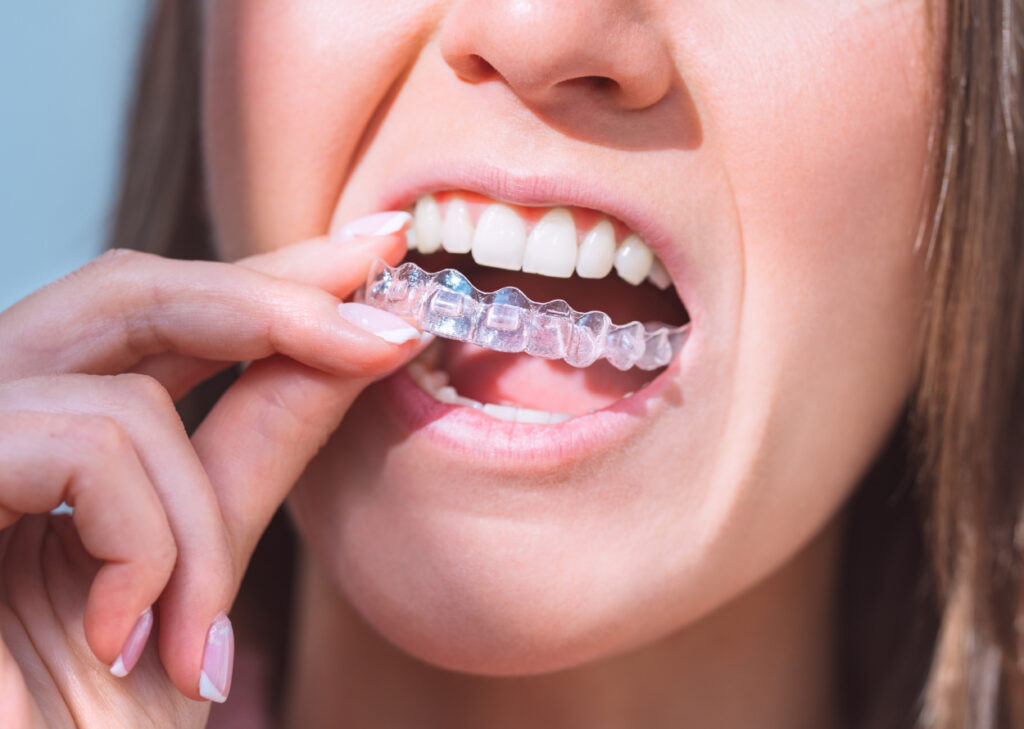

Invisalign tends to look simple from the outside. The trays are clear, removable, and usually easier to live with than brackets and wires. That convenience is real, but it also creates a trap. Because aligners come out so easily, treatment depends far more on daily behavior than many people expect. The patients who do best are not necessarily the most disciplined by personality. They are usually the ones who build a few repeatable habits and stick to them even on busy mornings, restaurant dinners, workouts, school drop-offs, and long commutes across the Valley.
That matters anywhere, but it matters even more in a place like Calabasas, where schedules can be packed and highly variable. One day may look polished and organized, the next may involve back-to-back meetings, traffic on the 101, a Pilates class, and dinner out. If you are pursuing Invisalign Calabasas CA treatment, the challenge is rarely understanding what to do. Most people already know the basics. The challenge is doing those basics consistently when life gets crowded.
The good news is that Invisalign success does not require perfection. It requires systems. A person who occasionally forgets and quickly gets back on track will usually do better than someone who relies on motivation alone. Small habits, repeated every day, protect your timeline, your comfort, and your results.
Wear time is the habit that drives everything else
The single most important part of Invisalign treatment is wearing the aligners long enough each day. Most patients hear the standard guidance, often around 20 to 22 hours daily, and assume that means they have plenty of wiggle room. In practice, those hours disappear quickly. A long coffee, a lingering lunch, an afternoon snack, dinner with friends, and a little procrastination before brushing can leave a patient several hours short without realizing it.
That lost time adds up. Teeth move through steady, controlled pressure. When aligners stay out too long, the trays stop fitting as tightly, soreness tends to increase when they go back in, and the next set of trays may feel much harder to seat. In some cases, patients end up wearing trays longer than planned because the teeth have not fully tracked.
The people who stay on schedule usually stop thinking in terms of “I’ll wear them most of the day” and start thinking in terms of “I only remove them for meals and cleaning.” That shift sounds small, but it changes behavior. Instead of casually leaving trays out while answering emails or watching television after dinner, they go back in right away.
One pattern I have seen repeatedly is the difference between intentional eating and grazing. Grazers struggle more. A patient who sips sweetened coffee through the morning, grabs a handful of crackers at 11, then eats lunch at 1 often removes aligners three or four extra times before noon. Another patient who eats breakfast, has water only, then eats lunch, usually has a much easier time hitting target wear hours. Invisalign favors structure.
The morning routine sets the tone
Mornings matter because they either create momentum or start the day with a small failure. If the first thing you do after breakfast is leave your trays in a napkin while packing lunches or searching for your keys, the treatment day is already off track.
A clean morning routine does not need to be elaborate. It needs to be predictable. Wake up, remove trays, eat, brush, clean the aligners, put them back in. Doing those steps in the same order every day reduces friction. You stop negotiating with yourself.
Patients who commute, take children to school, or train early often benefit from preparing the night before. Keep your case in the same place. Restock travel toothpaste and floss before they run out. If you know you will eat breakfast on the go, decide in advance whether that means eating before leaving home or waiting until you arrive and then brushing immediately after. What causes problems is improvising every morning.
There is also a comfort factor here. Freshly cleaned trays feel better. Putting in aligners coated with yesterday’s plaque or a cloudy film makes them more noticeable, more irritating, and frankly less appealing to wear. That small sensory annoyance can lead to more unnecessary tray removal during the day.
Protect the trays when they are out
If you ask dental teams what derails treatment in the most avoidable ways, tray damage and tray loss rank high. Clear aligners seem durable until a dog chews one, a tray gets wrapped in a napkin at lunch, or a patient accidentally tosses it in a restaurant trash bin. This happens far more often than people admit.
The fix is not complicated. Build a reflex: when the trays come out, they go into the case. Not in a pocket. Not on a car console. Not on a lunch tray. Not in tissue. Into the case, every time.
For patients navigating busy days around Calabasas, this habit becomes especially useful. If you eat at a café between errands, remove the trays, rinse them, and place them in the case before the conversation starts. If you are at a school event or after-work dinner, do the same. The case is not glamorous, but it prevents the sort of avoidable mistake that can turn a normal day into a call to the office asking what to do next.
There is a second benefit as well. Proper storage cuts down on contamination. Aligners left exposed on a bathroom counter or restaurant table pick up bacteria, dust, and lint quickly. Since you are putting them directly back onto your teeth, cleanliness is not a minor detail.
Oral hygiene has to become faster, not just better
One reason some patients wear aligners less than prescribed is that cleaning their teeth starts to feel inconvenient. Brushing and flossing after every meal can sound manageable at the consultation and annoying by the third week. When that friction builds, people delay putting trays back in because they are waiting until they can clean up properly.
The solution is not to lower hygiene standards. It is to make the process frictionless enough that you actually do it.
A useful rule is to have home tools and travel tools. At home, you can take your time. Away from home, you need an efficient version that still protects your teeth. Since aligners trap saliva and any lingering food particles against the enamel, oral hygiene during Invisalign matters more than many patients realize. People with a strong cavity history, dry mouth, frequent snacking habits, or a tendency to drink sugary beverages should take this especially seriously.
Here is the simplest travel setup that tends to work well:
- A soft travel toothbrush
- Fluoride toothpaste
- Floss or floss picks
- A small aligner case
- A bottle of water
That is enough for most workdays, errands, and social events. It fits easily in a purse, gym bag, backpack, or glove compartment. Patients who carry a compact kit are far more likely to put Invisalign Calabasas CA their aligners back in promptly because they are not waiting to get home.
There is a judgment call worth mentioning. If you are away from a sink and cannot brush immediately after a meal, rinsing thoroughly with water and using floss if needed is usually better than leaving your aligners out for hours. Brush as soon as you reasonably can. The point is not perfection. The point is minimizing both bacterial buildup and lost wear time.
Be careful with coffee, tea, and the slow-sipping problem
Most Invisalign patients learn quickly that water is the easiest drink while trays are in. The trouble begins with drinks people like to linger over. Coffee is the most common example. A hot latte on a cool morning feels harmless, but hot, dark, or sugary drinks create three separate issues. They can stain the trays, expose the teeth to sugar while the aligners trap it against the enamel, and encourage prolonged tray removal if you nurse the drink over an hour.
That does not mean coffee lovers have to give it up. It means they need a plan. Some people switch to drinking coffee with breakfast, then brushing and reinserting aligners immediately after. Others set aside a short midmorning coffee break, remove trays, finish the drink, rinse, and put the trays back in rather than carrying the cup through meetings for the next 90 minutes.
I have seen patients underestimate the effect of slow sipping more than almost any other habit. The aligners themselves may not seem like the issue. The issue is the repeated and extended time out of the mouth. A person who removes aligners for one fifteen-minute coffee gets away with it. A person who lets that coffee stretch to fifty minutes every weekday can lose several treatment hours each week without noticing.
The same logic applies to iced tea, matcha, juice, sports drinks, and cocktails. The more often you sip, the harder it becomes to maintain both wear time and oral health.
Learn the difference between normal pressure and a real problem
A certain amount of tightness is part of effective Invisalign treatment. New trays often feel snug for a day or two. There may be pressure when seating them, especially at the start of a new aligner stage. Many patients worry when they feel that pressure and then wear the trays less because they assume something is wrong.
Usually, mild pressure is a sign the aligners are doing their job. Sharp pain, tray warping, persistent inability to seat a Invisalign Calabasas CA tray fully, or a sudden fit issue after repeatedly leaving trays out are different matters and deserve attention. The useful daily habit here is to check fit calmly rather than react emotionally.
When you insert a new tray, look to see whether it sits fully against the teeth. Small gaps can sometimes improve after a few hours of consistent wear. If the tray feels very lifted in one area, or if it simply will not seat despite good effort, reach out to your provider. The same applies if an attachment pops off. It may not always require an emergency visit, but it should not be ignored.
Patients often do well when they stop chasing a pain-free experience and instead expect a manageable adjustment period. That expectation reduces the temptation to “take a short break” from the tray, which often creates more soreness when it goes back in.
Use meal timing to your advantage
Most successful Invisalign routines are built around meals, not cravings. This is one of the most practical mindset changes a patient can make. When you know you need to remove aligners, clean your teeth, and reinsert them after eating, random snacking becomes less attractive.
That can be a hidden benefit of treatment. Some patients notice they become more deliberate about what they eat and when they eat it. They may reduce mindless nibbling simply because it is no longer worth the hassle. Others realize that if they skip meals and snack repeatedly, Invisalign becomes much harder to manage.
There is no universal meal schedule that works for everyone. A parent with young children, a teenager in sports, and a professional with client lunches will all operate differently. Still, the principle holds. Fewer, more intentional eating windows usually support better wear time than constant low-level grazing.
For active patients, there is a special note here. People who exercise hard often rely on sports drinks, gels, or post-workout snacks. Plan these moments instead of handling them casually. If you know you will need a recovery shake after training, have your cleaning supplies ready and put the trays back in as soon as you are finished. It sounds obvious, but the post-workout window is a common place where “just a few extra minutes” turns into a lost hour.
Build habits around social life, not against it
One reason Invisalign is popular in Calabasas is that it fits better into professional and social life than traditional braces for many adults and teens. Clear trays are discreet in meetings, on camera, and at events. That advantage disappears if a patient treats every dinner, party, or outing as an excuse to leave the aligners out.
The better approach is to decide ahead of time how you will handle social situations. If you are going to dinner, wear the trays there, remove them only when food arrives, enjoy the meal, excuse yourself to rinse and brush if possible, and put them back in before the evening drifts on. If you are attending an event where eating and drinking will be spread out over several hours, understand that this is one of the harder scenarios for Invisalign. You may need to make trade-offs and be extra consistent the rest of the day.
Teen patients often need especially practical coaching here. Sleepovers, school dances, team dinners, and late-night fast food runs are not impossible during treatment, but they are exactly the moments when trays get lost or forgotten. Adults are not immune either. The business dinner that runs long, the wine tasting, the charcuterie-heavy party, the holiday gathering with constant small bites, these are classic trouble spots.
A patient who anticipates those situations usually does better than one who tries to rely on willpower in the moment.
Keep a simple checklist when changing trays
Tray-change days deserve a little more attention. This is where patients are most likely to notice tightness, fit issues, or attachment problems. Rather than handling those transitions casually, it helps to use the same short process each time.
- Switch to the new tray at night if your provider agrees
- Make sure the tray is fully seated
- Wear it consistently for the first 24 hours
- Monitor for unusual pressure points or cracks
- Contact the office if the fit seems clearly off
Switching at night often helps because you sleep through some of the initial adjustment period. The tray gets several uninterrupted hours of wear, which can reduce the temptation to remove it repeatedly during the day. That said, not every patient prefers this, and treatment instructions vary. The important part is consistency and paying attention to fit early rather than days later.
Don’t let one bad day turn into a bad week
This may be the most important mental habit of all. Patients get into trouble when a single slip becomes permission to keep slipping. Maybe you forgot your case at lunch. Maybe you left the trays out too long during a birthday dinner. Maybe you missed a few hours because of travel. None of that automatically ruins treatment.
What matters is the recovery. Put the aligners back in as soon as possible. Resume normal wear. If the trays are now extremely tight or no longer fit well, contact your provider rather than guessing. A lot of small Invisalign problems stay small when addressed quickly.
I have seen patients do the opposite. They feel guilty about inconsistency, avoid calling, and hope the next tray will somehow solve the issue. It usually does not. Treatment responds well to honesty. Dental teams would much rather hear, “I had a rough week and these trays are not fitting the same,” than discover the problem a month later.
There is also a practical side to this. If you travel frequently, work irregular hours, or have children in multiple activities, assume that disruptions will happen. Then build a recovery plan. Carry the kit. Keep backup toothpaste. Store a spare case in the car. Habit design beats self-criticism every time.
Why consistency often matters more than intensity
Some patients approach Invisalign with bursts of perfect effort followed by periods of sloppiness. Others are not perfect at all, but they are steady. The steady group usually wins.
That is because tooth movement is biological. Teeth and supporting tissues respond to regular, sustained pressure, not grand gestures. Wearing aligners nearly all day for five days and then barely wearing them over the weekend is not the same as wearing them reliably every day. The biology does not average out as neatly as people hope.
Consistency also makes treatment less stressful. When trays fit well, changes happen on time, and cleaning is automatic, Invisalign fades into the background of life. That is the ideal outcome. You do not want treatment to become a daily debate.
For people searching for Invisalign Calabasas CA care, this is often the real difference between a smooth experience and a frustrating one. Not the brand. Not the packaging. Not whether the trays are visible from three feet away. The difference is whether the patient’s daily habits support the plan designed by the provider.
The habits that quietly shape your final result
It is easy to think of orthodontic success as something determined in the office, during scans, attachments, and progress checks. Those appointments matter, of course. But the shape of the final result is often determined in private, ordinary moments. After breakfast. In the car after lunch. At the sink before bed. At a restaurant when the trays come out. During a weekend outing when no one is watching.
The habits that make Invisalign work are not dramatic. They are almost boring. Wear the trays. Put them back in promptly. Keep them clean. Protect them when removed. Avoid turning every snack and beverage into an extended break from treatment. Pay attention when something feels off. Reach out early when needed.
That kind of routine does more than keep treatment on track. It usually makes the process more comfortable, cleaner, and easier to live with. Patients often expect Invisalign to succeed because the trays are advanced. In reality, it succeeds because simple daily actions support the technology.
Done well, those actions become nearly automatic. You stop wondering whether you are doing enough because the answer is built into your day. That is the real secret, not intensity, not perfection, just habits that are steady enough to carry you all the way to the smile you signed up for.
Oaks Dental
5000 Parkway Calabasas, Suite 308
Calabasas, CA 91302
(818) 643-6521
FAQ About Invisalign Calabasas CA
How many hours a day should I wear Invisalign?
Clear aligners are typically worn for 20 to 22 hours a day. Follow your dentist’s instructions for your specific treatment plan.
What age is best for Invisalign?
Many teens and adults can use clear aligners. A dentist can assess dental development, oral health, and the type of tooth movement needed.
What affects the cost of Invisalign in California?
Cost depends on the complexity and length of treatment and what the quoted plan includes. Ask for an itemized estimate and check any orthodontic coverage with your insurer.