Everything You Need to Know About Dental Implants
Losing a tooth changes more than a smile. It changes how food feels, how clearly certain words come out, and often how confidently a person laughs in a meeting or poses for a photograph. In practice, that is usually what brings people into the conversation about dental implants. Sometimes it starts with a single broken molar that finally gives way. Sometimes it is an old bridge that keeps failing. Sometimes it is a denture that never felt secure enough to trust at dinner.
Dental implants have become a highly reliable way to replace missing teeth, but the subject is often oversimplified. People hear phrases like "permanent teeth" or "same-day smile" and assume the process is quick, uniform, and suitable for everyone. It is not. The best outcomes come from careful planning, realistic expectations, and a clear understanding of what implants can and cannot do.
What a dental implant actually is
A dental implant is a small post, usually made of titanium, that is placed into the jawbone to act as an artificial tooth root. Once the bone heals around it, the implant can support a crown for one missing tooth, a bridge for several missing teeth, or in some cases a full arch of teeth.
That description sounds simple, but an implant Dental Implants restoration is really a system with several parts. The implant body sits in the bone. An abutment connects the implant to the visible tooth replacement. The crown, bridge, or denture is the part you see and chew with. If one part fails or wears out, it does not always mean the entire implant has failed. For example, a screw can loosen or a crown can chip while the implant itself remains solidly integrated in bone.
This distinction matters because people often judge the success of Dental Implants as if everything is all or nothing. In reality, implants have multiple layers of success. Surgical success means the implant integrates with the bone. Functional success means it lets you chew comfortably. Esthetic success means it looks natural in the smile. The best treatment aims for all three.
Why implants are different from bridges and dentures
Traditional options still have an important place in dentistry. A fixed bridge can be an excellent solution in the right case, especially when neighboring teeth already need crowns. A removable denture can restore function at lower upfront cost and may be the only practical option for some medical or anatomical situations.
Implants are different because they replace the missing root as well as the visible tooth. That changes the mechanics. A bridge relies on adjacent teeth for support. A denture rests on soft tissue and bone. An implant transfers biting forces into the jaw, which feels more like a natural tooth and helps preserve bone over time.
Bone preservation is one of the least appreciated benefits. When a tooth is lost, the jawbone in that area no longer gets the stimulation it once did from chewing. Over months and years, that bone tends to shrink. This is why a site that looked straightforward right after an extraction can become more complicated later. In the front of the mouth, this shrinkage can affect the gumline and facial appearance. In the back, it can reduce the bone available for implant placement.
For a patient who has been wearing a lower denture for years, even two implants to help retain that denture can make a dramatic difference. People who have struggled with movement while speaking or eating often describe that change as life changing, and that is not marketing language. It is a practical improvement in daily life.
Who makes a good candidate
Good candidates are not defined by age alone. I have seen healthy adults in their seventies and eighties do beautifully with implants, and I have seen younger patients need to delay treatment because of gum disease, smoking, or uncontrolled medical issues.
Several factors matter most:
- Healthy gums and controlled periodontal disease
- Adequate bone volume, or willingness to undergo grafting if needed
- Good general health, including stable diabetes if present
- A commitment to oral hygiene and long-term maintenance
- Bite forces that can be managed, especially in patients who clench or grind
A missing tooth does not automatically mean an implant is the best choice. Timing, anatomy, budget, and goals all shape the answer. Someone missing a single back tooth with ample bone may be a straightforward candidate. Someone who lost a front tooth after trauma may need much more nuanced planning because the esthetic demands are far higher. Even a millimeter of gum recession in the wrong place can make the result look unnatural.
Children and teenagers are a special case. Implants are usually delayed until jaw growth is complete. Placing an implant too early can create problems later because the implant does not move with the developing dentition the way natural teeth do.
The planning stage matters more than most people realize
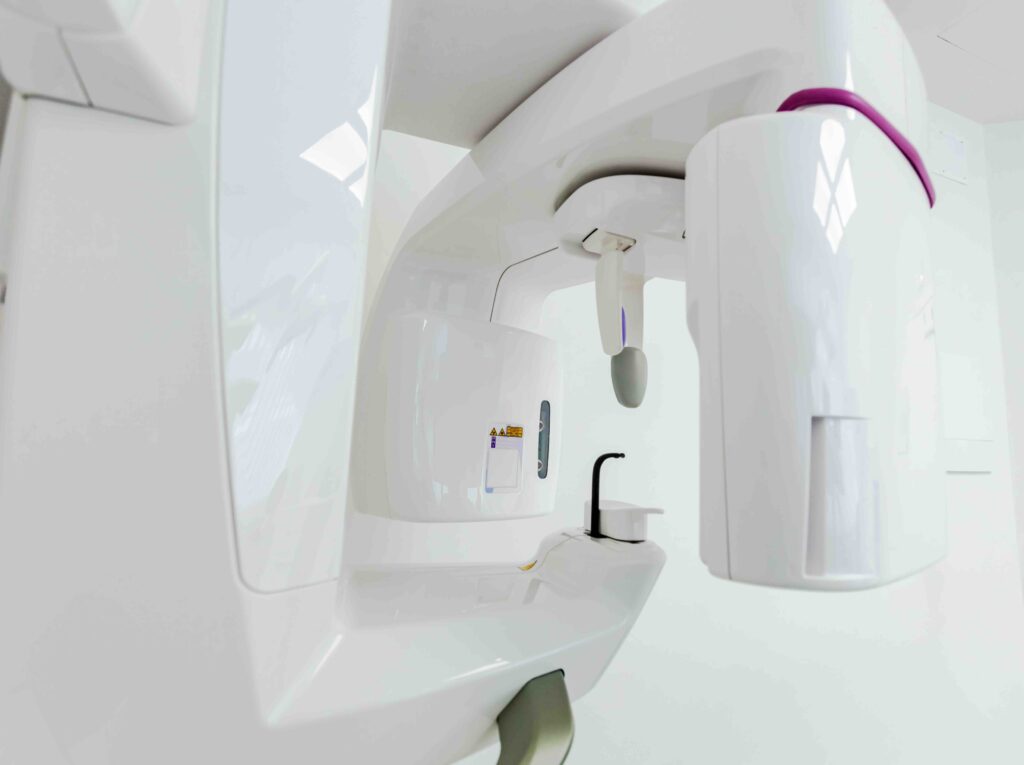
If there is one place where successful implant treatment is won or lost, it is planning. Modern imaging, especially cone beam CT scanning, allows the dentist or surgeon to evaluate bone dimensions, identify nearby anatomical structures, and plan position with much greater precision than two-dimensional X-rays alone.
Position is not just about fitting an implant into the bone. It must be in the right place for the final tooth. That sounds obvious, but it is a classic source of trouble. An implant can be "successfully placed" from a surgical standpoint and still end up in a poor restorative position, leaving the crown bulky, hard to clean, or visually off-center. The ideal sequence is to plan from the tooth backward, not from the bone forward.
This is especially important in the visible smile zone. The width of the implant, the angle, the thickness of the facial bone, and the gum architecture all affect the final appearance. Patients often focus on tooth color, but natural-looking implant dentistry depends just as much on tissue contours and symmetry.
What the process usually looks like
There is no single timeline for Dental Implants, but most treatment follows a recognizable arc. First comes evaluation and imaging. If the failing tooth is still present, the clinician decides whether it should be removed and whether the implant can be placed immediately or after healing. Some cases allow extraction and implant placement on the same day. Others benefit from a healing period, particularly when infection, bone loss, or soft tissue issues are present.
After implant placement, a healing phase allows osseointegration, which is the direct bond between bone and implant surface. Depending on bone quality, implant stability, and whether the site was grafted, that period may be a few months. In selected situations, a temporary tooth can be placed early, but "temporary" does not mean ready for steak and crusty bread the next day. Provisional restorations often come with strict chewing limits to protect the implant during early healing.
Once integration is confirmed, the restorative phase begins. That involves impressions or digital scans, fabrication of the final tooth, and fitting the crown, bridge, or implant-supported denture. At that point, the implant may feel so natural that patients forget it is there. That is a good outcome, but it can also lead people to neglect maintenance, which is a mistake.
Immediate implants and same-day teeth, what those terms really mean
Marketing around immediacy has created a lot of confusion. Yes, some implants are placed immediately after extraction. Yes, some patients leave with teeth the same day, particularly in full-arch treatment. But immediate placement and immediate loading are not guarantees, and they are not always the safest choice.
The key requirement is primary stability, meaning the implant must be mechanically stable in the bone at placement. Bone quality, implant design, and the shape of the extraction site all affect that stability. Even then, the bite has to be managed carefully. A front tooth may receive a temporary crown that looks complete but is kept out of heavy function. A full-arch provisional may be fixed in place, but patients still need a modified diet during healing.
Done well, immediate protocols can shorten treatment time and preserve tissue contours. Done carelessly, they can increase the risk of implant failure or esthetic compromise. That is why a rushed promise should never outweigh a careful diagnosis.
Bone grafting sounds intimidating, but it is often routine
One of the biggest surprises for patients is learning they may need a bone graft before or during implant treatment. This is not necessarily a sign that something is wrong. It is often simply oaksdentistry.com Dental Implants a response to how the body heals after tooth loss.
When a tooth has been missing for a long time, or when infection has damaged the surrounding bone, the implant site may be too narrow or too shallow. In the upper back jaw, the maxillary sinus can limit available bone height. In the lower back jaw, the inferior alveolar nerve sets a firm boundary that cannot be ignored.
Bone grafting can range from a small socket preservation procedure after extraction to a larger ridge augmentation. Materials vary and may include your own bone, donor bone, bovine-derived mineral, or synthetic grafting materials, often combined with membranes to guide healing. The right choice depends on the defect and the intended timing of implant placement.
Patients usually imagine grafting as a major ordeal. In many cases, the recovery is more manageable than they expect. The trade-off is time. Better foundations often mean a longer path to the final tooth, but that extra time can prevent much larger problems later.
Success rates are high, but not perfect
Implant dentistry has strong long-term evidence behind it, and success rates for well-selected cases are high, often in the mid to high nineties over certain follow-up periods. But quoting a single number without context can be misleading.
A healthy non-smoker replacing a single tooth in dense lower jaw bone is not the same risk profile as a heavy smoker receiving multiple implants in a severely resorbed upper jaw. Nor is short-term survival the same as long-term success. An implant can survive while still losing bone, developing gum inflammation, or becoming difficult to clean.
The most common reasons implants struggle are usually not dramatic surgical errors. More often, the problems are cumulative: poor hygiene, uncontrolled grinding, smoking, untreated gum disease, poorly designed restorations, or skipped maintenance visits. These are practical realities, not rare exceptions.
Risks and complications worth discussing honestly
Every surgery has risks, and implant treatment is no exception. Most complications are manageable, especially when recognized early, but they deserve plain language.
Short-term risks include swelling, bruising, discomfort, bleeding, and infection. Some sites heal uneventfully while others are simply more reactive, especially if a graft is involved. Numbness is a more serious concern when working near nerves, though careful imaging and planning help reduce that risk. In the upper back jaw, sinus-related complications are possible if bone is limited.
Longer term, the two words patients should know are peri-implant mucositis and peri-implantitis. Mucositis is inflammation in the soft tissue around an implant, similar in concept to gingivitis. Peri-implantitis involves bone loss around the implant. It can be difficult to treat once advanced, which is why prevention and early detection matter so much.
A common misconception is that implants cannot get into trouble because they are not natural teeth. They do not get cavities, but the surrounding tissues can absolutely become diseased. An implant is not a maintenance-free replacement. If anything, the cleaning around some implant restorations demands more attention than a natural tooth.
Cost, value, and why estimates vary so much
People often want a simple number for the cost of Dental Implants, but pricing varies widely because treatment is not one-size-fits-all. A single straightforward implant with a crown is very different from an extraction, graft, implant placement, temporary restoration, and custom esthetic final crown in the front of the mouth.
The cost usually reflects several components: diagnostics, surgery, materials, the restorative work, and follow-up care. It may or may not include extractions, grafting, sinus lifts, sedation, temporary teeth, or specialist involvement. A low quote can be misleading if half the necessary steps are excluded.
Value should also be viewed over time. A well-maintained implant may serve for many years. A bridge may need replacement later and may involve cutting down adjacent teeth. A removable option may be less expensive upfront but more frustrating functionally. None of this means implants are always the best financial choice, only that the comparison should be honest and complete.
If budget is tight, it is reasonable to ask about phased treatment. For example, a failing tooth may be extracted with socket preservation now, with implant placement delayed until finances allow. What matters is preserving future options rather than forcing a rushed decision.
The esthetic side is harder than the public usually sees
Patients often assume the cosmetic side of implant treatment is mainly about matching the color of the crown. Shade matching matters, but it is only one piece. Front tooth implants are among the most technique-sensitive procedures in restorative dentistry.
The gumline around an implant does not always behave like the gumline around a natural tooth. Tissue thickness, smile line, neighboring teeth, lip movement, and the shape of the underlying bone all influence the final look. In some cases, the best esthetic result requires soft tissue grafting in addition to the implant itself.
It is not unusual for a patient to be technically thrilled and cosmetically underwhelmed, or the reverse. A crown can look beautiful but be difficult to floss, or function well but look slightly flat in the profile. Good treatment planning aims to balance both, but biology sets limits. Patients deserve to hear those limits before treatment begins, not after the restoration is delivered.
How recovery usually feels
Most single implant placements are easier to recover from than people expect. That does not mean no discomfort, but many patients compare it favorably to the extraction that came before it. Soreness often peaks in the first couple of days, then settles. Grafted sites may feel fuller or tighter, and swelling can last longer.
Full-arch procedures, multiple implants, and larger grafts are a different experience. These cases can involve more swelling, more diet restrictions, and a more demanding recovery period. The difference between a small localized implant surgery and a full-arch conversion is significant, and patients should not let the word "implant" make those experiences sound interchangeable.
The practical side of recovery matters. Ice packs, soft foods, a realistic work schedule, and clear medication instructions often make more difference than patients expect. So does understanding that healing occurs in phases. Feeling better in a week is not the same as being healed enough to load the implant fully.
Aftercare determines whether a good result stays good
Implants reward consistency. The patient who brushes carefully, cleans around the implant daily, wears a night guard if recommended, and shows up for maintenance visits is protecting the investment in the most meaningful way possible.
The basics are not glamorous, but they work:
- Brush thoroughly twice a day, paying attention to the gumline around the implant
- Clean between teeth and around implant restorations with floss, interdental brushes, or other tools recommended for the case
- Keep regular professional maintenance appointments and periodic radiographic reviews
- Report bleeding, bad taste, looseness, or chewing discomfort early
- Use a night guard if you clench or grind and your dentist advises one
There is no universal cleaning tool that works for every implant restoration. A single implant crown may be easy to floss conventionally. A full-arch fixed prosthesis may require threaders, super floss, water irrigation, or specialized brushes. The restoration design dictates the hygiene strategy. This is one reason why poorly contoured restorations are such a problem. If patients cannot clean them predictably, biology will eventually object.
Questions worth asking before you commit
A good implant consultation should leave you more informed, not more dazzled. Fancy technology is useful, but clarity matters more. Patients should understand who is placing the implant, who is making the final restoration, whether grafting is likely, how long treatment is expected to take, and what the maintenance demands will be afterward.
It is also reasonable to ask what the alternatives are and why they were accepted or rejected. The strongest treatment plans usually hold up well under that kind of scrutiny. If an implant is truly the best option, the explanation should make sense in plain language.
For complex cases, especially front teeth, major bone loss, or full-mouth rehabilitation, a second opinion can be valuable. Not because the first plan is necessarily wrong, but because the stakes are higher and different clinicians may see different pathways to a successful result.
Where implants fit in a sensible long-term dental plan
The most successful implant cases are rarely isolated events. They are part of a broader plan to stabilize oral health. That may mean treating gum disease first, adjusting the bite, replacing failing restorations nearby, or sequencing treatment over time so each step supports the next.
A single implant can restore a missing tooth beautifully, but it cannot single-handedly solve a neglected mouth. If the surrounding teeth are breaking down, if plaque control is poor, or if heavy clenching is destroying restorations, the implant will live in that same environment. Good dentistry respects the bigger picture.
For the right patient, Dental Implants are one of the most predictable and satisfying options modern dentistry offers. They can restore function in a way that feels remarkably natural, preserve bone more effectively than traditional replacements, and support esthetic results that, when thoughtfully executed, disappear into the smile. The key is not chasing the fastest promise. It is choosing a plan that fits the anatomy, the health of the mouth, the patient’s habits, and the long view. That is where implants do their best work, quietly, year after year.
Oaks Dental
5000 Parkway Calabasas Suite 308
Calabasas, CA 91302, United States
+1 818-431-2000
FAQ About Dental Implants
What is the downside of a dental implant?
Implants require surgery and a healing period that can last several months. Possible complications include infection, nerve or sinus injury, damage to nearby teeth and failure to bond with bone. Your dentist should assess your health, bone support and alternatives before recommending treatment.
What do dental implants typically cost?
There is no single price for every implant case. The number of teeth replaced, implant components, final restoration and any grafting or extractions affect the total. Request a written estimate covering every stage and confirm insurance benefits and out-of-pocket costs with the practice.
How long do tooth implants last?
An implant can provide long-term support and may last a lifetime with good oral hygiene and regular dental care, but this is not guaranteed. The crown or other restoration may need replacement sooner. Smoking, gum disease and some health conditions can reduce implant success.